Introduction
Selecting high-quality surgical instruments is one of the most important decisions hospitals and healthcare facilities make. The performance, durability, and precision of surgical instruments directly impact patient safety, surgical outcomes, and operational efficiency. With numerous manufacturers and suppliers in the global market, choosing the right instruments requires careful evaluation of quality standards, materials, certifications, and manufacturing processes.
This guide explains the key factors hospitals should consider when purchasing surgical instruments and how to identify reliable manufacturers that meet international healthcare requirements.
Why Surgical Instrument Quality Matters
Surgical instruments are essential tools used in a wide range of medical procedures. Poor-quality instruments can lead to reduced precision, increased maintenance costs, and potential risks during surgery. High-quality surgical instruments provide:
- Enhanced surgical accuracy
- Improved patient safety
- Longer instrument lifespan
- Better resistance to corrosion
- Reduced replacement costs
- Consistent performance during procedures
For hospitals and healthcare providers, investing in premium surgical instruments contributes to better patient outcomes and long-term cost savings.
Key Factors to Consider When Choosing Surgical Instruments
1. Material Quality
The quality of raw materials significantly affects instrument performance. Most premium surgical instruments are manufactured using medical-grade stainless steel due to its durability and corrosion resistance.
Benefits of stainless steel surgical instruments include:
- High strength and durability
- Resistance to rust and corrosion
- Easy sterilization
- Long service life
- Reliable performance in demanding surgical environments
2. Manufacturing Standards
Hospitals should source instruments from manufacturers that follow strict quality control procedures throughout the production process. Precision engineering ensures that instruments function accurately and consistently during surgical procedures.
Look for manufacturers that implement:
- Advanced manufacturing techniques
- Precision machining and finishing
- Comprehensive quality inspections
- International manufacturing standards
3. International Certifications
Certifications demonstrate a manufacturer's commitment to quality and compliance. When evaluating suppliers, verify whether they hold internationally recognized certifications such as:
- ISO 13485 Certification
- CE Marking
- FDA Compliance (where applicable)
These certifications indicate that the instruments meet global medical device quality standards.
4. Instrument Design and Precision
Surgical instruments must be ergonomically designed to support surgeon comfort and precision. Features to evaluate include:
- Comfortable grip
- Balanced weight distribution
- Smooth movement of joints and hinges
- Sharp cutting edges
- Accurate alignment of working tips
Precision-engineered instruments help reduce surgeon fatigue and improve procedural outcomes.
5. Sterilization Compatibility
Hospitals require instruments that can withstand repeated sterilization cycles without losing functionality. High-quality instruments maintain their integrity after frequent exposure to:
- Steam sterilization
- Autoclaving
- Chemical sterilization methods
Durable instruments help healthcare facilities maintain infection control standards while reducing replacement costs.
Common Types of Surgical Instruments Used in Hospitals
Modern hospitals rely on a variety of specialized surgical instruments, including:
General Surgical Instruments
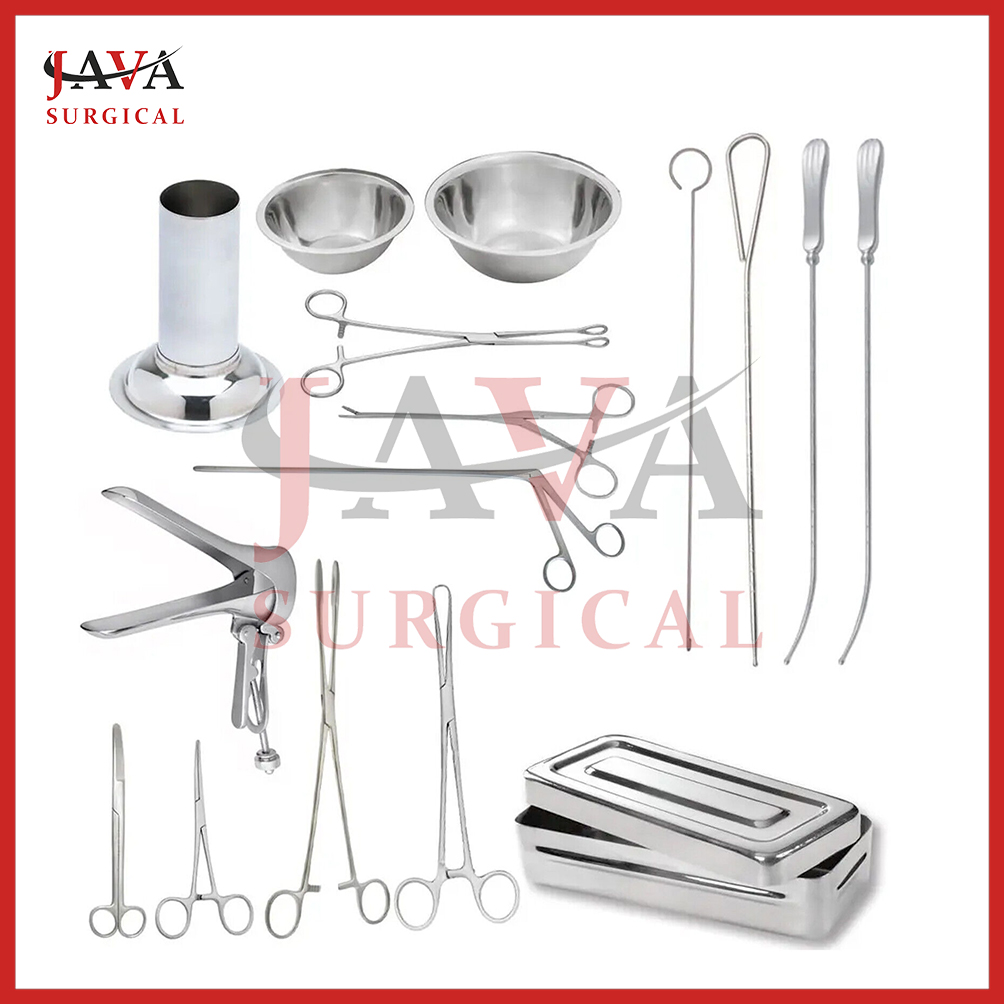
Used in routine surgical procedures and include forceps, scissors, retractors, and needle holders.
Orthopedic Surgical Instruments
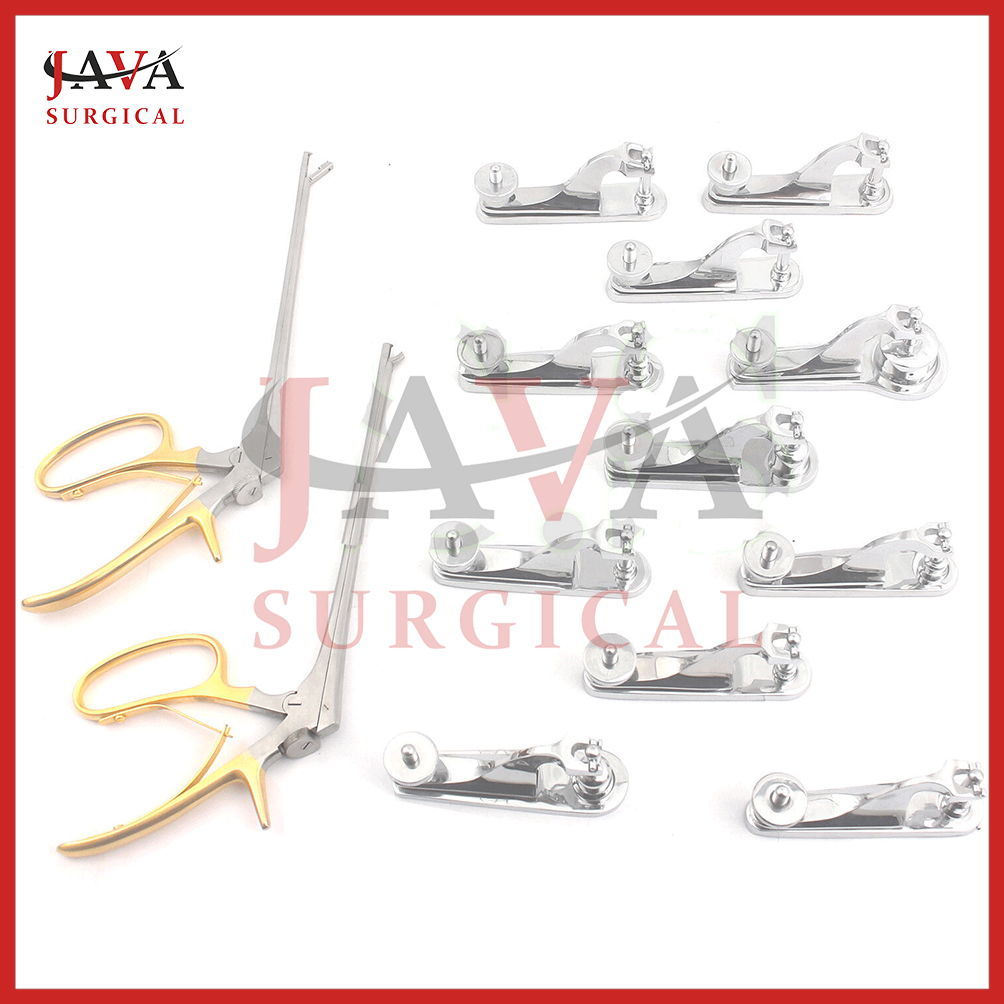
Designed for bone and joint surgeries, including bone cutters, rongeurs, and orthopedic forceps.
ENT Surgical Instruments
Used in ear, nose, and throat procedures requiring precision and delicate handling.
Ophthalmic Instruments
Specialized tools for eye surgeries and microsurgical procedures.
Neurosurgical Instruments
Precision instruments designed for complex brain and spinal surgeries.
Choosing a supplier capable of providing multiple instrument categories can simplify procurement and ensure consistent quality across departments.
Evaluating a Surgical Instrument Manufacturer
Before selecting a supplier, hospitals should assess the manufacturer's experience, reputation, and production capabilities.
Questions to ask include:
- How long has the company been manufacturing surgical instruments?
- Do they export internationally?
- What certifications do they hold?
- Can they provide OEM or custom manufacturing services?
- What quality control measures are in place?
Reliable manufacturers are transparent about their processes and provide detailed product specifications.
Why Hospitals Choose Surgical Instruments from Pakistan
Pakistan, particularly Sialkot, is recognized globally as a leading center for surgical instrument manufacturing. Manufacturers in the region supply hospitals, distributors, and healthcare organizations worldwide.
Advantages include:
- Skilled craftsmanship
- International quality standards
- Competitive pricing
- Extensive product range
- Global export experience
Many healthcare providers choose Pakistani surgical instrument manufacturers because of their commitment to quality and innovation.
Conclusion
Choosing high-quality surgical instruments is essential for ensuring patient safety, surgical precision, and long-term operational efficiency. Hospitals should focus on material quality, manufacturing standards, certifications, sterilization compatibility, and supplier reliability when making purchasing decisions.
By partnering with a trusted surgical instrument manufacturer, healthcare facilities can obtain durable, high-performance instruments that support successful surgical outcomes and meet international healthcare standards.