

Blog
Neurosurgery Instruments: Essential Tools for Brain and Spine Procedures

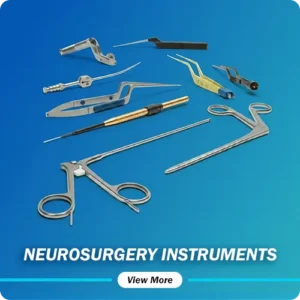
Introduction
Neurosurgery is one of the most complex and delicate medical specialties, requiring exceptional precision and advanced surgical techniques. Procedures involving the brain, spinal cord, and nervous system demand specialized instruments designed to provide maximum accuracy while minimizing tissue damage.
High-quality neurosurgery instruments play a critical role in successful outcomes, helping surgeons perform intricate procedures with confidence and control. From brain tumor removal to spinal decompression surgeries, these precision-engineered tools are essential in modern neurosurgical practice.
This guide explores the most important neurosurgery instruments used in brain and spine procedures and highlights their functions in improving surgical performance and patient safety.
What Are Neurosurgery Instruments?
Neurosurgery instruments are specialized surgical tools designed for procedures involving the central and peripheral nervous systems. These instruments are manufactured with exceptional precision to support delicate operations where even the smallest movement can impact patient outcomes.
Neurosurgical instruments are commonly used in:
- Brain tumor surgeries
- Spinal decompression procedures
- Cranial surgeries
- Microsurgical operations
- Trauma-related neurosurgical procedures
- Nerve repair surgeries
Because of the complexity of these procedures, neurosurgeons rely on instruments that offer superior accuracy, durability, and control.
Why Precision Is Essential in Neurosurgery
The brain and spinal cord contain highly sensitive structures that require meticulous handling during surgery. Precision instruments help surgeons:
- Access difficult anatomical areas
- Minimize tissue trauma
- Improve surgical accuracy
- Reduce complications
- Enhance patient recovery
- Increase procedural efficiency
Modern neurosurgery would not be possible without advanced surgical instruments specifically designed for delicate neurological procedures.
Essential Neurosurgery Instruments and Their Functions
1. Kerrison Rongeurs
Kerrison Rongeurs are among the most commonly used instruments in spinal surgery. They are designed to remove small sections of bone and soft tissue with exceptional precision.
Functions:
- Bone removal during spinal procedures
- Decompression surgeries
- Accessing spinal structures
- Removing ligament tissue
2. Pituitary Rongeurs
Pituitary Rongeurs are used to grasp, remove, and dissect tissue in confined surgical spaces. Their long and slender design allows surgeons to work effectively in deep anatomical areas.
Functions:
- Tissue removal
- Tumor excision
- Deep surgical access
- Microsurgical procedures
3. Bipolar Forceps
Bipolar Forceps are essential instruments used to control bleeding during neurosurgical procedures. They provide precise coagulation without damaging surrounding tissues.
Functions:
- Hemostasis
- Blood vessel coagulation
- Microsurgical precision
- Tissue protection
4. Neurosurgical Scissors
Neurosurgical scissors are designed for delicate cutting and dissection tasks. Their precision tips enable surgeons to work around critical neural structures.
Functions:
- Fine tissue dissection
- Precise cutting
- Microsurgical procedures
- Nerve-related surgeries
5. Dural Hooks
Dural Hooks are used to retract and manipulate the dura mater during cranial and spinal surgeries.
Functions:
- Tissue retraction
- Surgical exposure
- Improved visualization
- Safe tissue handling
6. Brain Spatulas
Brain spatulas are designed to gently retract brain tissue, allowing surgeons access to deeper structures without causing unnecessary trauma.
Functions:
- Brain tissue retraction
- Surgical access
- Protection of neural structures
- Improved visibility
7. Cranial Drills
Cranial drills are used during craniotomy procedures to create openings in the skull, providing access to the brain.
Functions:
- Skull penetration
- Craniotomy preparation
- Surgical access
- Bone removal
8. Micro Needle Holders
Micro needle holders provide precise control when placing sutures during delicate neurosurgical procedures.
Functions:
- Microsurgical suturing
- Precise needle control
- Nerve repair procedures
- Tissue closure
9. Retractors
Neurosurgical retractors help maintain a clear surgical field by holding tissues away from the operative area.
Functions:
- Tissue retraction
- Improved visibility
- Enhanced surgical access
- Procedural efficiency
10. Micro Forceps
Micro forceps are essential for grasping and manipulating delicate tissues during brain and spinal surgeries.
Functions:
- Tissue handling
- Vessel manipulation
- Precision dissection
- Microsurgical procedures
Neurosurgery Instruments Used in Brain Procedures
Brain surgeries require specialized instruments capable of operating within extremely sensitive structures.
Common applications include:
- Brain tumor removal
- Aneurysm repair
- Epilepsy surgery
- Cranial trauma treatment
- Neurovascular procedures
Precision instruments help surgeons perform these procedures while minimizing risks to surrounding brain tissue.
Neurosurgery Instruments Used in Spine Surgery
Spinal procedures rely heavily on specialized instruments designed to access and treat structures within the vertebral column.
Common spine surgeries include:
- Laminectomy
- Spinal decompression
- Disc removal
- Spinal fusion
- Trauma reconstruction
Instruments such as Kerrison Rongeurs, curettes, and retractors are frequently used in these procedures.
Features of High-Quality Neurosurgery Instruments
Healthcare providers should prioritize neurosurgical instruments that offer:
- Medical-grade stainless steel construction
- Exceptional precision and balance
- Corrosion resistance
- Ergonomic design
- Durable performance
- Compliance with international standards
Premium instruments improve reliability and support successful surgical outcomes.
Choosing a Reliable Neurosurgery Instrument Manufacturer
When selecting a neurosurgical instrument supplier, hospitals and distributors should evaluate:
- Manufacturing expertise
- Product quality standards
- ISO and CE certifications
- Quality control processes
- Global export experience
- Comprehensive neurosurgery product range
A trusted manufacturer ensures consistent quality, precision, and long-term instrument performance.
Conclusion
Neurosurgery instruments are essential tools for modern brain and spine procedures. From Kerrison Rongeurs and bipolar forceps to micro scissors and cranial drills, each instrument plays a critical role in achieving surgical precision and patient safety.
As neurosurgical techniques continue to evolve, the demand for high-quality, precision-engineered instruments will remain essential. Healthcare facilities that invest in premium neurosurgery instruments benefit from improved surgical performance, enhanced patient outcomes, and greater procedural efficiency.